Authorized: Breathizen Authorized U.S. Retailer2 oz / 60 mL · 4 pumps a day · 100 days0 of 5 ingredients carry a printed amount60-day money-back windowLot B-26/BR-1164
Breathizen brand markBreathizenresBreathizen Authorized U.S. Retailer

Guides To Reading A Supplement Label

Three guides that work on any bottle in this aisle. Every worked example comes off our own label, because a method demonstrated on somebody else's product is not a method.

Written by the Breathizen editorial teamLast updated October 11, 2026How this page was checked

Quick answer

These three guides cover the skills this desk uses on every page, and all three are demonstrated on the product this site sells rather than on a competitor's. The first explains what a percent Daily Value is, where the reference figures come from and how to recompute a printed percentage in ten seconds, then shows that Breathizen has no percentage column to check because it has no Supplement Facts panel at all. The second explains the difference between a structure-function claim and a disease claim, what the dagger or asterisk beside a claim is for, and why no dietary supplement is ever FDA approved. It is worked on the three claim bars printed on this bottle, not one of which carries a dagger on the only product face supplied to us. The third sets out how to match a printed amount to the dose the research actually used, and then shows exactly where that method breaks here: five ingredients are named and no amount is published for any of them, so there is nothing to set beside a study.

Why these three

Because they are the three skills that did all the work on this site — and because two of the three can be run on almost any product, while the third cannot be run on this one at all.

The first is about percentages. On a complete Supplement Facts panel, a printed %DV is the one figure a reader can check without leaving the label: divide the declared amount by the published Daily Value, multiply by a hundred, compare. There is no percentage column on this product, because there is no panel to print one on. The guide teaches the check anyway, and then says plainly what the absence does and does not mean — because most botanical extracts have no Daily Value established in the first place, and that is not the problem here.

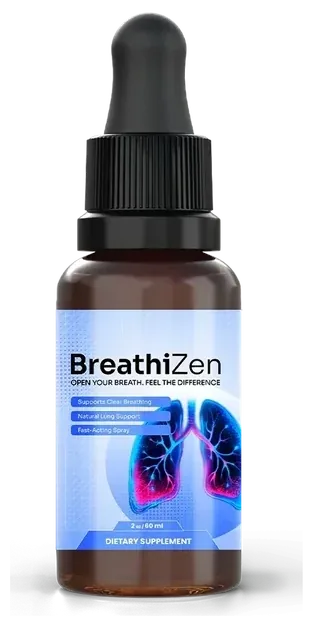
The second is about reading a claim. Almost everything printed on the front of a supplement is a structure-function claim, a badge, or a mood. This bottle carries three claim bars — Supports Clear Breathing, Natural Lung Support and Fast-Acting Spray — and on the only face supplied to this desk not one of them carries a dagger or an asterisk, and no FDA disclaimer is visible on it. Sorting three phrases like those into the right piles takes about ten minutes to learn and changes how every pack in the aisle reads.

The third is about checking an amount against the research. It is the method this desk normally runs on every page, and here it cannot be run: five ingredients are named and not one carries a weight. So the guide sets the method out in full, shows exactly where it stops, and then does the one thing still possible — reading a source properly. The European Medicines Agency monograph on mullein is the worked example, and it fails three separate checks before the dose question is even reached.

None of the three is a sales page. All three are written so they would still be worth reading if you never bought this product, which is the only honest test of whether a guide on a retailer's website is a guide or an advertisement. This site earns a commission on orders placed through it, and that is exactly why the guides are demonstrated on our own label rather than on somebody else's.
Three things to check on any supplement label

01

Count what carries an amount

Go to the Supplement Facts panel and count the lines with a figure beside them. On this product the answer is 0 of 5, because there is no panel to count. A proprietary blend would be a step up from that: a blend at least publishes a total weight and an order of predominance.

02

Recheck one percentage

Pick any line carrying a %DV, look up the Daily Value, divide and compare. It takes ten seconds and it tells you whether anybody proofread the panel. On this product there is nothing to recheck — the three sums we could run are about days and money rather than milligrams.

03

Read the caution panel before the claims

It is the one part of a label written by somebody worried about being wrong, and it usually names age, pregnancy, nursing and medical conditions. No caution or warning statement of any kind was supplied with this product, against two ingredients our own sources attach bleeding cautions to.

A note on these guides

All three are general explainers about labelling, regulation and categories. None is medical advice, and none makes any claim about what any product does. Where a guide quotes a regulation or a public health body, the source is named so you can read it yourself. And one thing about this site rather than the guides: the medical reviewer slot on every page here is deliberately empty. No clinician has read these pages, so no clinician's name appears on them.

How to use these guides

Read the first one with a bottle in your hand. Any bottle — it does not have to be this one, and the guide is more convincing when tested on a product nobody is selling you.

Sort the front panel into claims, badges and moods. Then find the disclaimer and check what the daggers connect to. Then turn the bottle over and count the ingredients with a printed weight — on this product the answer is 0 of 5, because there is no Supplement Facts panel to count on at all.

That whole exercise takes about two minutes once you have done it twice, and it is the most useful two minutes available to anyone shopping in this category. It also shows you how far down the scale a label can go: a proprietary blend, which is the thing this desk normally complains about, would be a step up from this one, because a blend at least prints a combined weight and an order of predominance.

Read the dose-matching guide before buying any supplement in this aisle, from any brand. It sets out the four numbers a comparison needs, where each one comes from, and — the part most guides skip — what can still be worked out when a seller publishes no Supplement Facts panel at all.

What these guides are not

They are not medical advice, and not one of them recommends taking or not taking anything. They are about how to read a label and how to think about a category.

They are not legal advice either. Where a guide quotes a regulation, it quotes it in full and links to the source so you can read the surrounding text yourself, because a regulation quoted in fragments is easy to misuse.

And they are not about this product. All three were written so they would still be worth reading if you never bought Breathizen, which is the only honest test of whether a guide on a retailer's website is a guide or an advertisement.

A short vocabulary for the supplement aisle

Twelve words and phrases that appear on almost every pack, with what each one actually commits to.

Our own plain-English glossary, not a regulatory document.
PhraseWhat it commits to
SupportsNothing specific. No defined threshold exists
Proprietary blendA combined weight and an order of predominance — which would be a step up from this label, where there is no panel and no amount at all
Standardised extractA stated proportion of a marker compound. Checkable. Not what 10:1 means — a ratio is a concentration step, not a dose
% Daily ValueA ratio against a published FDA figure. Calculable, where a panel prints one. There is none here
FDA-registered facilityThe factory is on a list. Not an approval
FDA approvedNever true of a supplement
GMP certifiedRules about process, not about contents
Doctor formulatedNothing, unless a doctor is named and checkable. None is named here
NaturalNo regulatory definition
Clinically studiedAsk: which ingredient, at what dose, and is that the dose here?
Money-back guaranteeA purchase term with a number of days. Enforceable
Certificate of analysisA laboratory document. A reference number is not one
One more habit worth having

Photograph the label of anything you take, and keep the photographs in one place on your phone — the Supplement Facts panel where there is one, and the front, the back and the base either way. It takes seconds, it survives the bottle being thrown away, and it is the single most useful thing you can hand to a pharmacist or a clinician who asks what you are taking. On this product it is also the one gap a reader can close that we cannot: no photograph of the back or the base of this bottle was supplied to this desk.

Guides To Reading A Supplement Label: common questions

Where is the Supplement Facts panel?

There isn't one. No Supplement Facts panel was supplied to this desk with this product, and none appears in any artwork we were given — not on the bottle front, and no photograph of the back or wrap was supplied at all. The brand's own How Breathizen Works graphic contains a tile labelled SUPPLEMENT FACTS, illustrated with a generic document icon.<p>This is the largest single absence this desk has encountered, and most of this site follows from it.</p>

How many milligrams of each ingredient are in it?

Not published. Five ingredients are named and not one carries a weight. We cannot tell you, the sales page does not tell you, and without a panel nobody outside the company can. It is worth being exact about what this means: it does not mean the amounts are low. It means they are unknown.

What did you actually recompute on this product?

Three things, because three were computable. The bottle life: 60 mL at 0.60 mL a day is 100 days, not 30. The cost per day: $0.89, $0.59 and $0.49 across the three packs once the bottle life is right. The rating: the supplied distribution gives 4.34 against the 4.7 printed, and the ten published reviews average 4.1. We could not recompute a single ingredient amount, because none exists.

Why are there no %DV percentages?

Because there is no Supplement Facts panel to put them on. Separately, most botanical extracts have no Daily Value established at all, so even a complete panel would correctly show no percentage for these five. The absence of percentages is not the problem here; the absence of amounts is.

Is Breathizen FDA approved?

No, and no dietary supplement is. The FDA does not approve supplements for safety or effectiveness before sale. Any page claiming FDA approval for a supplement is wrong. A product made in an FDA-registered facility is not an approved product — registration means the facility is on a list, not that anything in it was tested or endorsed.

What does the GMP seal mean?

Good Manufacturing Practice describes how a facility operates, not what is in this bottle and not whether this batch was tested. No certifying body and no certificate number is named on this listing. It is also not FDA approval, which no supplement has.

If you are going to try Breathizen, try it this way

One bottle is 100 days against a 60-day window, so no pack can be finished inside it. The smallest is still the smallest bet: $89, $0.89 a day, and the only one that does not commit you to years of a product whose amounts are not published.

The struck-through figures are $179, $537 and $1,074 — which is $179 multiplied by one, three and six. A crossed-out price is a claim about what something used to sell for, and no date is given on which this product sold at $179 a bottle. We print the struck figures because they are on the offer, and we print this note beside them because a reader deserves to know they are arithmetic rather than history. · window runs from purchase · no subscription · not for under 18, pregnancy or nursing

What this page was checked against

  • The printed Supplement Facts panel, read off the supplied label image at native resolution
  • 21 CFR 101.36(c), for the order of predominance the ceilings on this site are derived from
  • Every source on our references list, each one opened and read rather than cited
Medical review
ReviewerDr. Assad Oskuei, MD, Physician
RoleMedical reviewer
Review dateOctober 12, 2026

Written and fact-checked by The Breathizenres Editorial Desk, last updated October 11, 2026. A highlighted slot means that value has not been supplied yet and nothing has been invented in its place — why the reviewer line is empty.

Breathizen · from $0.49 a day4 pumps, 0.60 mL, once a day · 100 days a bottle · 60-day money-back window
Order Now